
Polyclast
Strata
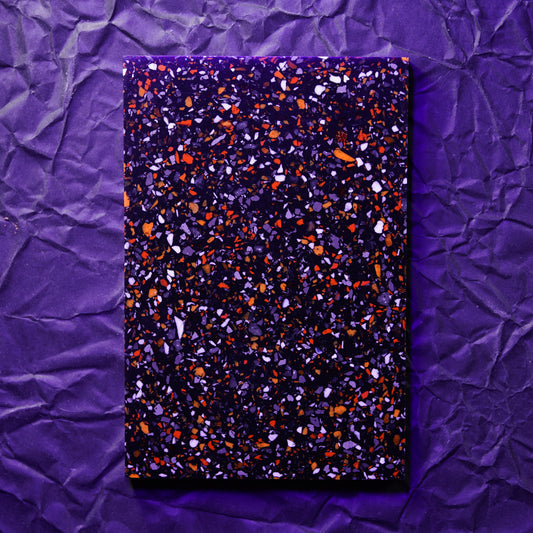
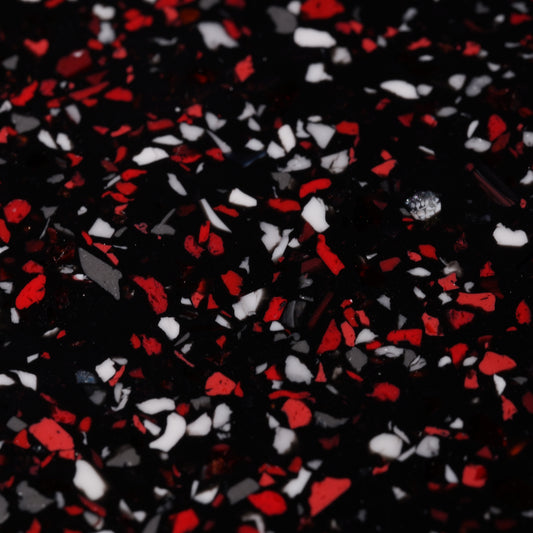
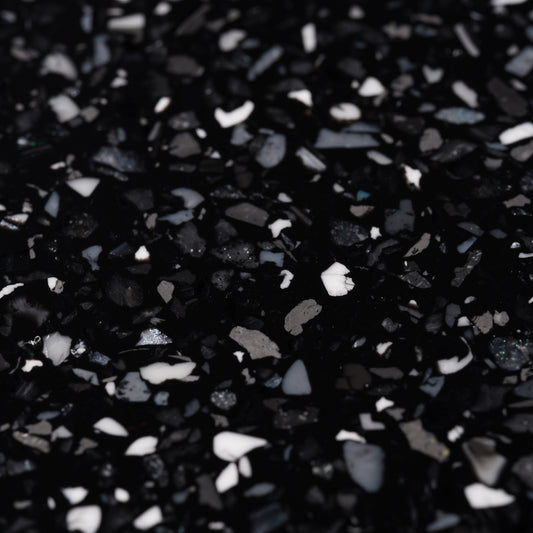
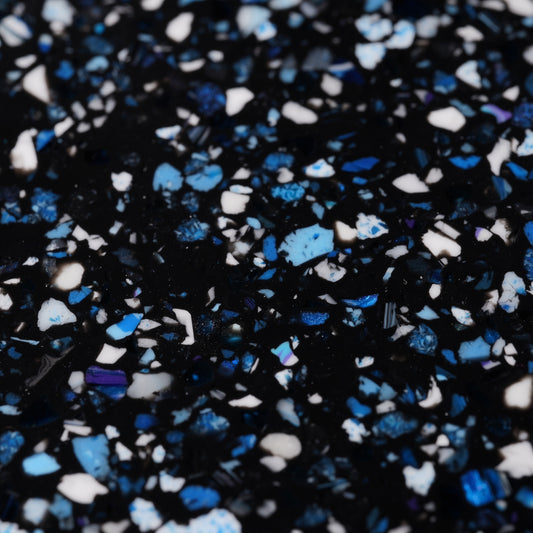
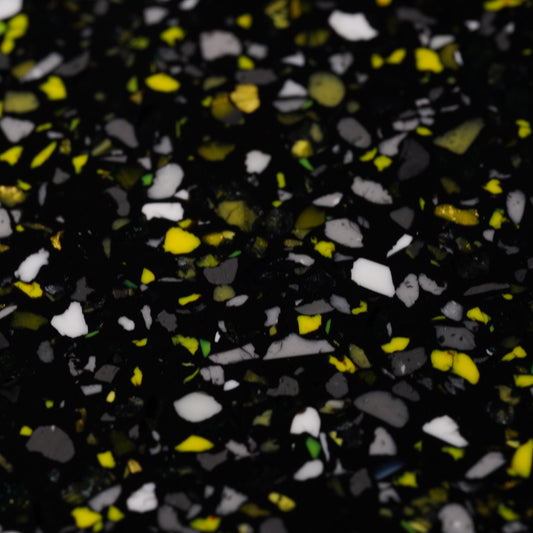
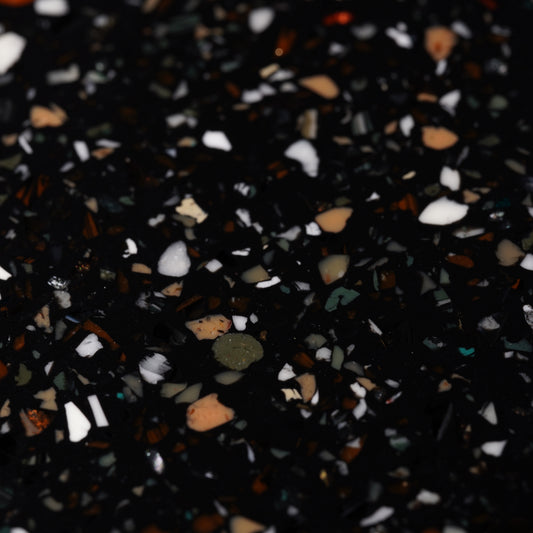
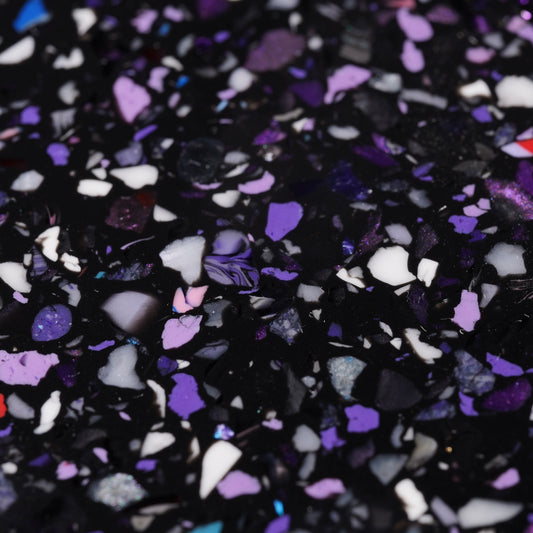
Strata Polyclast combines bold, layered colors accented with white and gray fragments. Perfect for full handles or part of your own segmented builds.
-
Crimson Strata
Regular price From $35.00 USDRegular price -
Slate Strata
Regular price From $35.00 USDRegular price -
Evergreen Strata
Regular price From $35.00 USDRegular price -

 SOLD OUT
Monarch Strata
Regular price From $35.00 USDRegular price -
Polar Strata
Regular price From $35.00 USDRegular price -
Solstice Strata
Regular price From $35.00 USDRegular price -
Driftwood Strata
Regular price From $35.00 USDRegular price -
Lilac Strata
Regular price From $35.00 USDRegular price -
Aqua Strata
Regular price From $35.00 USDRegular price









Pebble
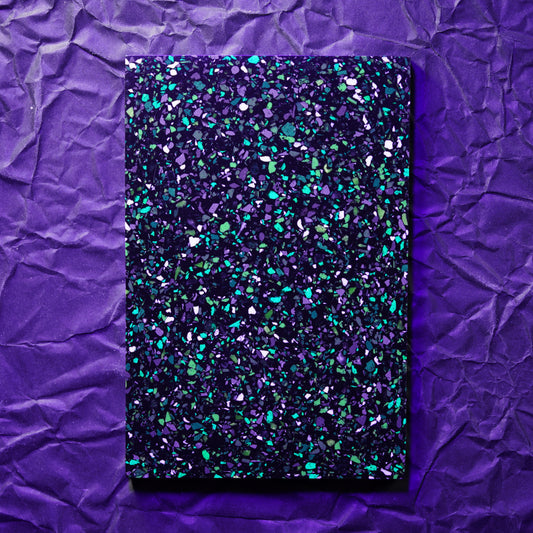
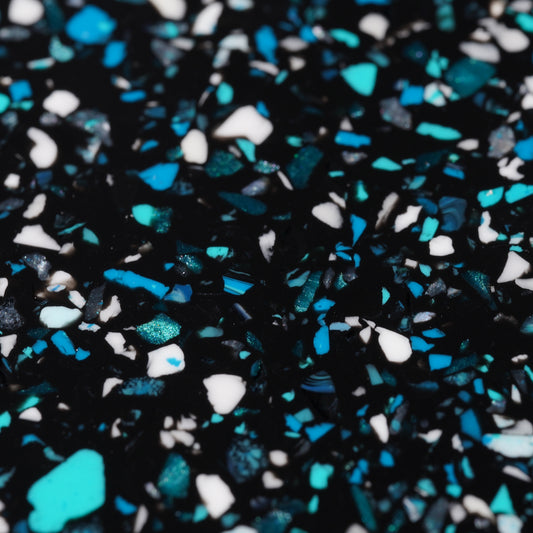
The Pebble Polyclast focuses on a unified color palette. Each piece features carefully selected multi-tonal variations that create visual depth and character. Great on it's own or as part of a themed segmented set.
-
Turquoise Pebble
Regular price From $35.00 USDRegular price -
Tidal Pebble
Regular price From $35.00 USDRegular price -
Aurelia Pebble
Regular price From $35.00 USDRegular price -
Ranger Pebble
Regular price From $35.00 USDRegular price -
Ashen Pebble
Regular price From $35.00 USDRegular price -
Azalea Pebble
Regular price From $35.00 USDRegular price -
Raku Pebble
Regular price From $35.00 USDRegular price


Key Features
-
100% Solid Urethane Matrix
Every block and scale is cast under high pressure using professional-grade, slow-curing urethane resin. This yields a void-free, monolithic material with an 80 Shore D hardness and balanced tensile strength.
-
Predictable & Machinable
Polyclast cuts, drills, taps, and shapes like dense hardwood or synthetic micarta. It won’t fracture unexpectedly under fasteners or along hidden cleavage planes.
-
Closed-Loop Sourcing
We incorporate our own pulverized, cured composite fragments and production dust back into new batches. This closed-loop process creates organic, irregular mineral textures that cannot be replicated through simple liquid pours.
Machining & Grinding Instructions
Polyclast behaves similarly to dense micarta or stabilized hardwoods. It creates a fine, powdery swarf rather than long melting strands or brittle shards.
Shaping & Profiling (Belt Grinder)
- Rough Shaping: 80 to 120 grit (Ceramic or Zirconia). Cuts rapidly and leaves a clean silhouette.Refining Contours: 220 to 400 grit (Aluminum Oxide or Structured Abrasive belts).
- Speed & Pressure: Run grinder at medium to medium-high speed with moderate, continuous pressure. Do not dwell in one spot to prevent localized heat buildup.
- Wet vs. Dry: Works cleanly dry. If using a misting system or dip bucket, water will not swell or degrade the composite.
Drilling & Pinning
- Drill Bits: Standard High-Speed Steel (HSS) or cobalt jobber bits. Brad-point bits produce exceptionally crisp entries.
- Drilling Speed: Moderate spindle speed (~800–1,200 RPM).
- Technique:Back the scale securely with a sacrificial wood block to ensure zero breakout on the exit hole.Clear chips frequently on deep holes.Counter-bore or chamfer pinholes lightly before driving mechanical fasteners.
Fasteners & Adhesives
- Glue Compatibility: Accepts standard two-part epoxies (G/flex 650, West System, standard 30-minute epoxy) and cyanoacrylate (CA).
- Bonding Prep: Scuff the bonding face with 60 to 80 grit paper to create mechanical tooth; wipe down with isopropyl alcohol (avoid harsh acetone soaks).
Finishing & Polishing Progression
Polyclast accepts finishes ranging from a grippy satin carry texture to a high-gloss, stone-like polish:
- Hand Sanding: Hand-block sand through 320 → 400 → 600 → 800 grit using wet/dry paper.For a durable, tactical/matte grip: Stop at 400–600 grit and buff lightly with a dry Scotch-Brite pad.
- Buffing (Wheel Polish):Use a clean, loose-muslin wheel running at 1,200–1,800 RPM.Apply light passes with White Diamond or Matchless pink compound.Finish with an untreated, dry muslin wheel for a deep, dimensional luster that exposes the internal strata matrix.
- Topcoats / Sealers: None required. Polyclast is non-porous and naturally waterproof throughout the entire piece. Do not apply hardening oils (Danish oil, Tru-Oil) as they cannot penetrate the surface.
Safety & Handling
- Respiratory Protection: Always wear an N95 or P100 respirator when grinding, sanding, or sawing composite resin dust.
- Dust Collection: Use standard extraction at the tool rest.